

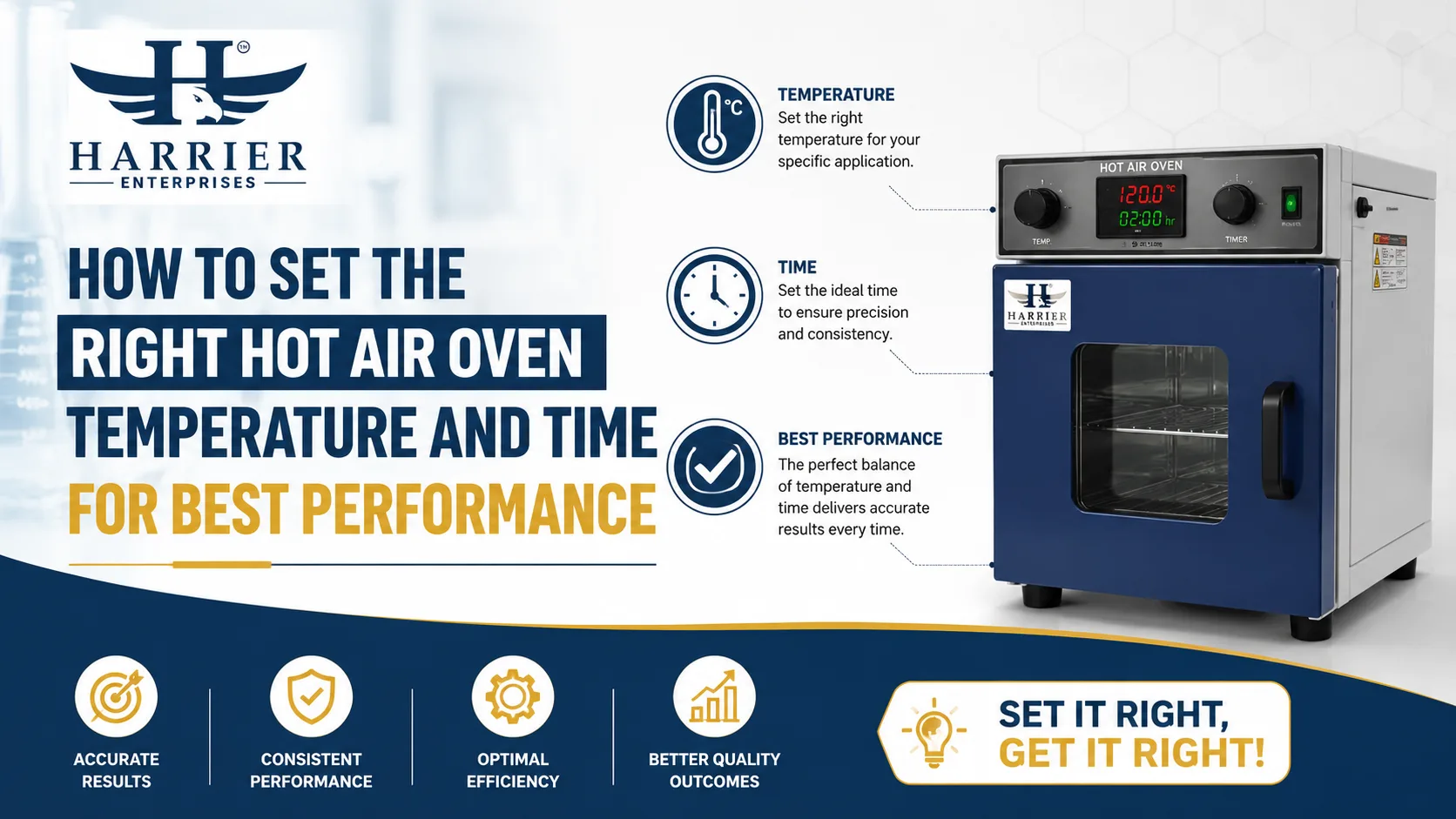
Hot air ovens are very important equipment in labs as well as industries to dry, cure, heat, or sterilize things. Selection of proper hot air oven temperature and duration of process is quite vital to obtain precise outcomes while ensuring that the quality of samples as well as instruments remains intact. Regardless of whether you are working in a lab, pharmaceuticals department, a research organization, or any industry, knowing the right temperature will make your life easier.
At Muffle Furnace, we share our experience on laboratory heating equipment.
Hot Air Oven Diagram
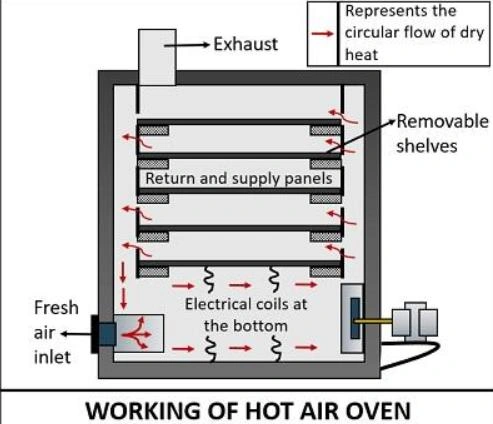
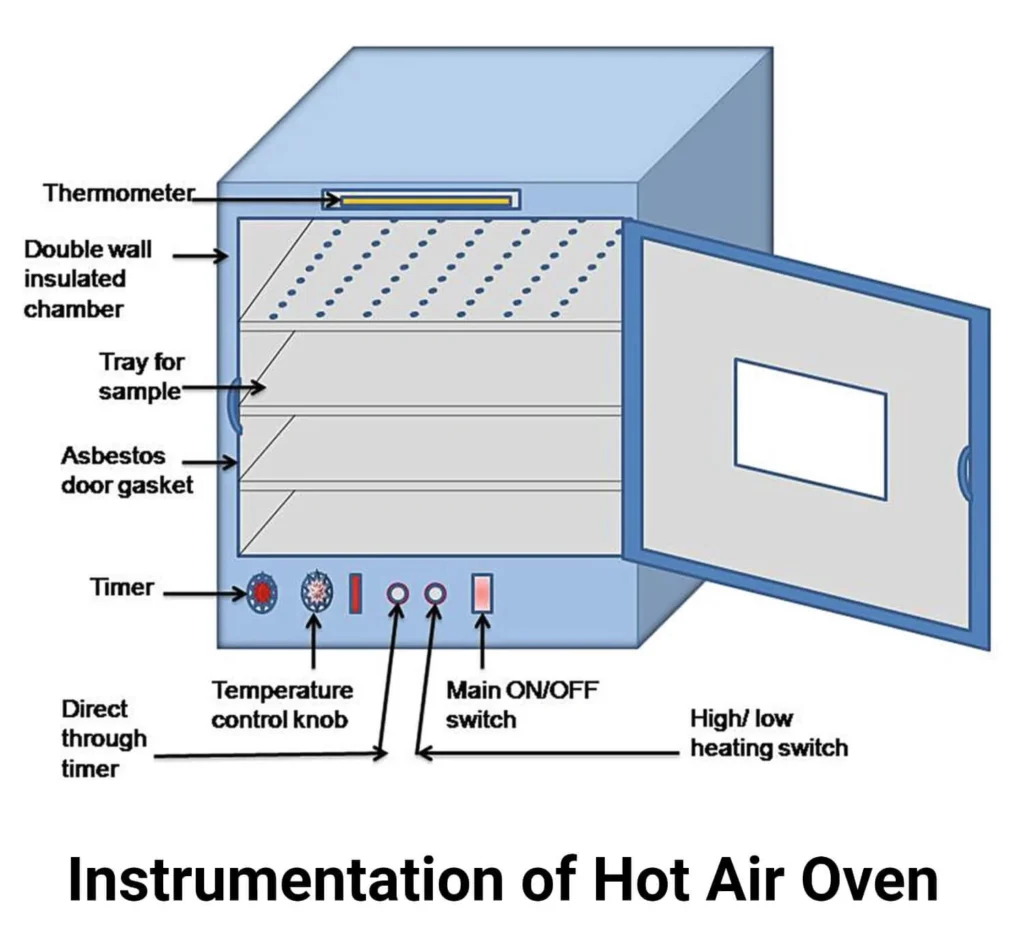
A hot air oven works by circulating heated air uniformly throughout an insulated chamber. The heating elements generate heat, while a fan distributes hot air evenly, ensuring consistent temperature throughout the chamber. This design makes hot air ovens highly effective for drying and sterilization applications.
What Are the Hot Air Oven Uses?
The popularity of hot air ovens comes from their versatility. Some common hot air oven uses include:
- Sterilization of glassware and metal instruments
- Drying laboratory samples and chemicals
- Removing moisture from materials
- Heat treatment of industrial components
- Testing material stability under controlled temperatures
- Pharmaceutical and microbiological applications
- Quality control and research laboratories
These applications require precise temperature control to avoid damaging sensitive materials.
Understanding Hot Air Oven Temperature
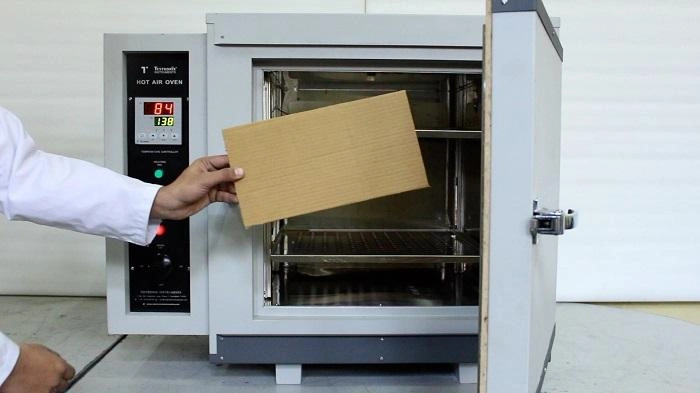
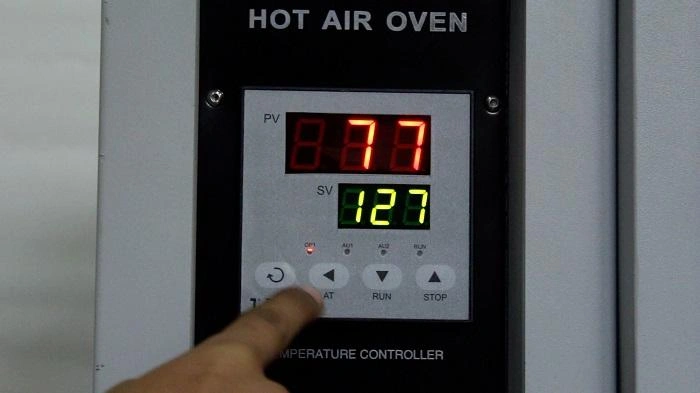
One of the most common questions is: What temperature used for hot air oven is ideal?
The answer depends on the application. Different materials require different temperature ranges for effective processing.
Common Temperature Settings
| Application | Temperature Range | Duration |
|---|---|---|
| Drying Samples | 50°C – 150°C | 30 min – 24 hrs |
| Glassware Sterilization | 160°C – 180°C | 1 – 2 hrs |
| Metal Instrument Sterilization | 170°C – 180°C | 1 – 2 hrs |
| Moisture Removal | 60°C – 120°C | Variable |
| Material Testing | 100°C – 300°C | Application-specific |
Maintaining the correct hot air oven temperature helps ensure accurate and repeatable results.
Hot Air Oven Sterilization: Recommended Temperature and Time
Hot air oven sterilization is a dry heat sterilization method widely used in laboratories and healthcare facilities. It destroys microorganisms through oxidation and protein denaturation.
Common sterilization standards include:
- 160°C for 2 hours
- 170°C for 1 hour
- 180°C for 30 minutes
These settings are generally used for sterilizing glassware, metal instruments, powders, and moisture-sensitive materials that cannot be sterilized using steam.
Factors Affecting Temperature and Time Selection
Several factors influence the ideal oven settings:
1. Material Type
Different materials react differently to heat. Glass and metal can withstand higher temperatures, while certain polymers may deform.
2. Sample Size
Larger samples require longer heating times to ensure uniform temperature penetration.
3. Moisture Content
Materials with higher moisture levels often need extended drying periods.
4. Air Circulation Efficiency
Proper airflow ensures even heat distribution and consistent results.
5. Required Process Outcome
Drying, curing, testing, and sterilization all demand different temperature and time combinations.
Best Practices for Optimal Performance
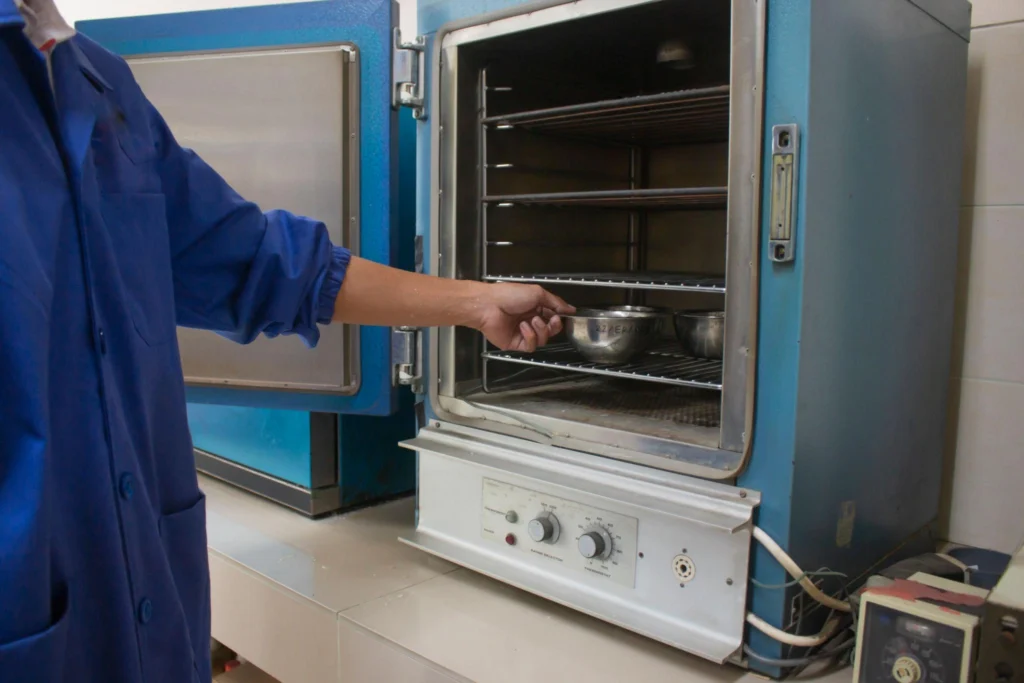
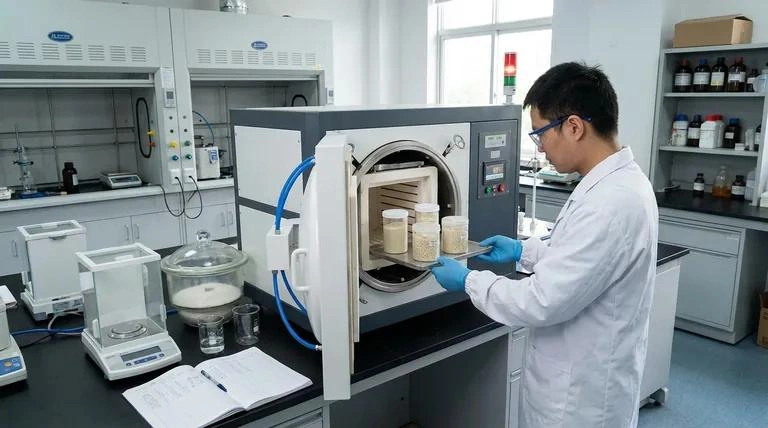
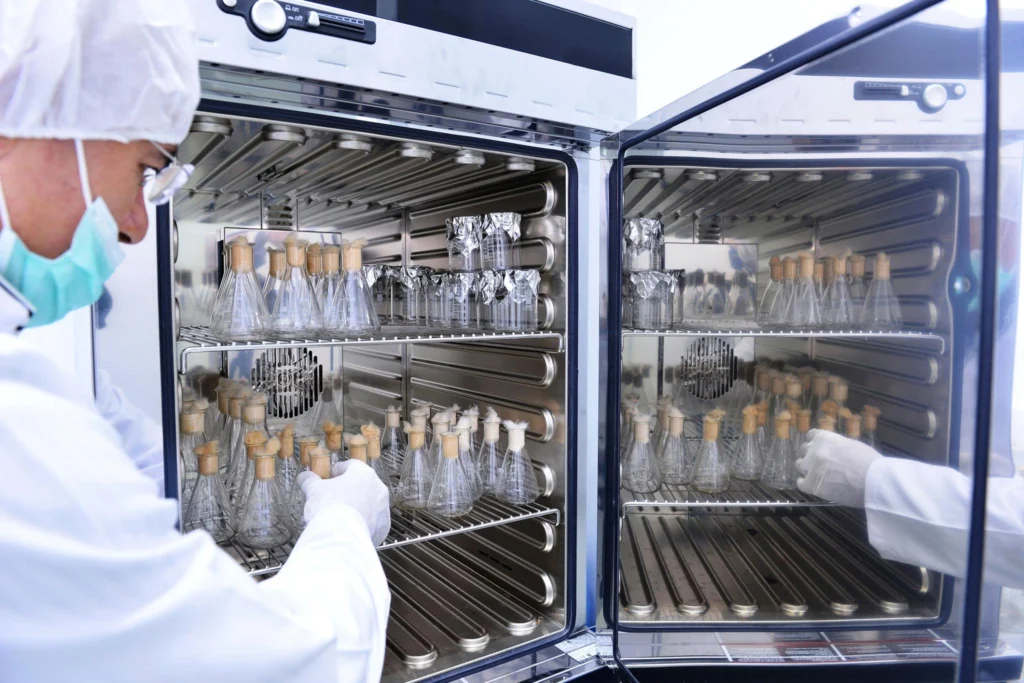
To achieve the best results:
- Preheat the oven before loading samples.
- Avoid overcrowding the chamber.
- Use calibrated temperature sensors.
- Follow recommended sterilization standards.
- Monitor temperature regularly.
- Keep the chamber clean for efficient airflow.
- Ensure proper maintenance of heating elements and fans.
These practices improve consistency, safety, and equipment lifespan.
Common Mistakes to Avoid
Many users experience poor results because of incorrect settings. Avoid these common errors:
- Using excessively high temperatures
- Opening the door frequently during operation
- Overloading the chamber
- Ignoring calibration schedules
- Selecting inadequate heating times
- Poor sample placement is restricting airflow
Preventing these mistakes helps maintain process accuracy and equipment efficiency.
Conclusion
The appropriate hot air oven temperature and the duration of the operation are necessary for obtaining consistent drying, heating, and sterilizing results using the hot air oven. It is important to know about the specific needs of the material being processed and follow the appropriate temperature ranges and air flow to improve performance.
Proper knowledge of laboratory equipment ensures efficient use and increased productivity. This applies to the operation of hot air ovens, where the temperature and time settings should be done properly. At Muffle Furnace, we are dedicated to providing proper knowledge of laboratory equipment.